
Building a Creative Organization
How I managed a 12-person design team and the operating environment that enabled it to deliver at scale
Mindvalley Media Design Team
Overview
The Foundation for Better Creative Work
Mindvalley’s growth increased demand on its creative team. Marketing, product, and business stakeholders needed campaign pages, launches, visual assets, and experiments—often at once and with competing priorities.
The organization needed more than additional output: clear roles, dependable ways to manage demand, shared quality standards, and an environment where people could grow.
As Head of Media Design, I led and developed a 12-person multidisciplinary team across creative direction, operations, and web-production foundations. The aim was to make the team a dependable, strategic partner to a rapidly growing business.
12 Designers Led and Developed
3,876+ creative requests delivered
10,000+ web pages supported
50% faster web development time
Challenge
The team supported a high volume of work across multiple disciplines. Requests competed for the same people, attention, and delivery windows, making it difficult to balance speed, quality, and meaningful creative involvement.
The challenge was to create an operating environment where work could be prioritized clearly, designers could contribute with confidence, and stakeholders could engage the team with the right context and expectations.
This required more than a better workflow. It required a stronger team structure, consistent creative direction, practical operating rhythms, and a culture where people could develop while delivering ambitious work.
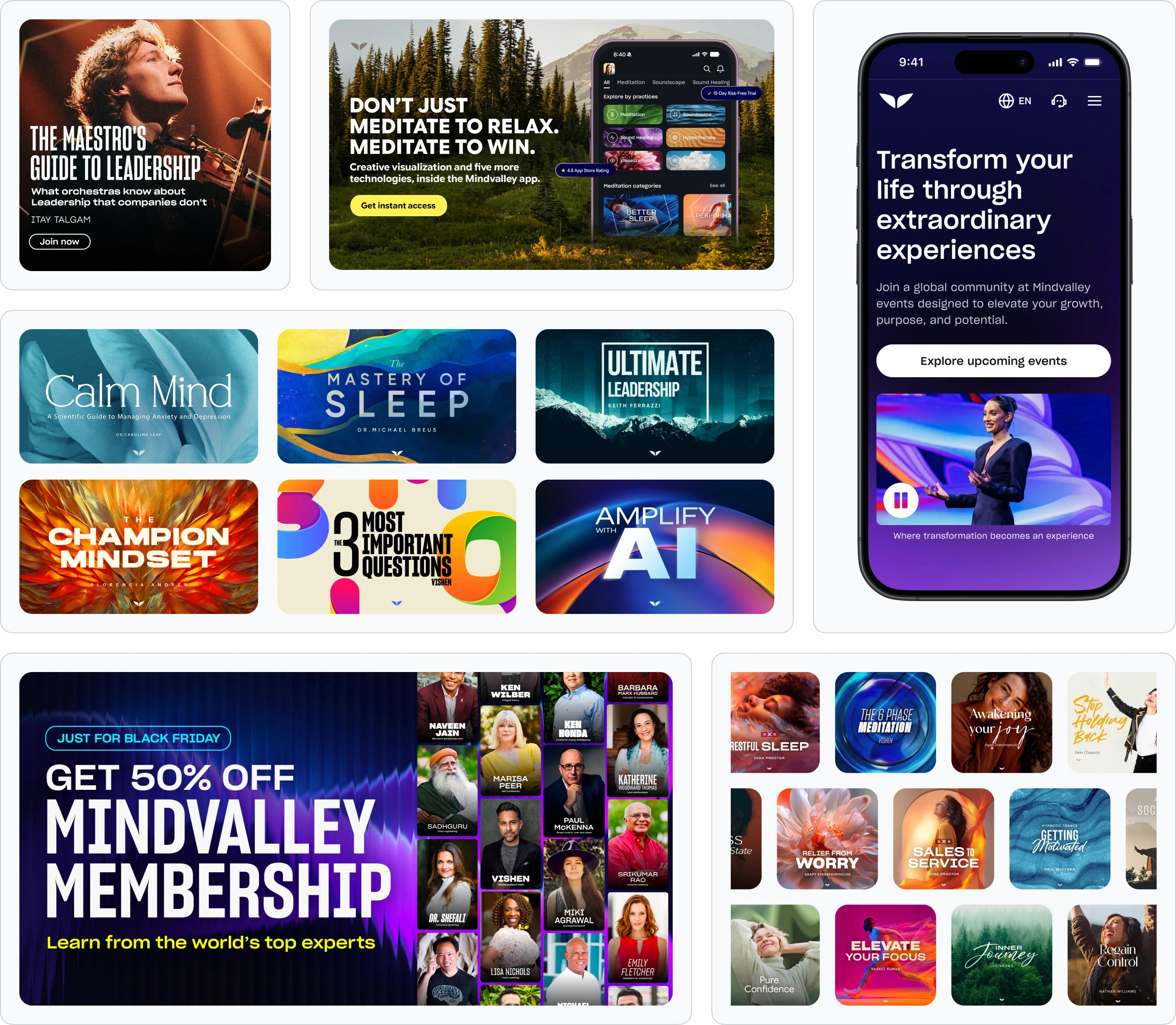
Digital assets and web pages created by the team
Team
I led and developed a multidisciplinary creative team
A 12-person team spanning graphic and product design. Hiring was not simply about filling open roles; it was about building a balanced group with the craft, judgment, and collaborative habits required to support a broad range of marketing and product needs.

Media Design team structure at its peak
I led the team through recruitment, onboarding, performance conversations, day-to-day creative direction, and ongoing coaching. Beyond the work itself, I focused on how the team worked together: partnering with stakeholders, presenting decisions with confidence, giving useful feedback, and taking ownership of outcomes.
This made the team more resilient. Designers had a clearer understanding of where they could contribute, how they could grow, and when to involve others—creating a more collaborative and dependable way of working.
Operations
I made creative work visible, prioritized, and manageable
A larger team only creates leverage when work can be planned and coordinated effectively. I introduced a clearer operating rhythm for creative intake, prioritization, and execution so that requests could be assessed against business goals, available capacity, and delivery timelines.
The production workflow created a shared view of active work: what had been requested, who owned it, what stage it was in, which dependencies remained, and what needed attention next. This made it easier to work with stakeholders across the organization, balance competing priorities, and spot delivery risks before they became last-minute problems.
Creative ticket request forms
Task prioritization and delivery visibility in Airtable
Over time, the team managed and delivered more than 3,876 creative requests across Mindvalley. The number represented much more than output. It reflected a more reliable way for the organization to access creative support while giving the team the structure needed to sustain quality in a high-volume environment.
Craft and Culture
I created the conditions for better creative work
High-quality creative output does not emerge from a review process alone. It comes from a team culture where people can share unfinished work, challenge assumptions, learn from one another, and receive direct feedback without losing trust.
Design reviews were both a formal quality gate and one of the team’s most important opportunities for growth. I encouraged every designer to present their work, explain their research, and walk me through the thinking behind their decisions. Understanding their reasoning first allowed feedback to be collaborative rather than purely corrective.

1:1 design review session
Each review used an adapted version of the Present, Understand, Question, Challenge, and Grow framework. It protected the quality of the current project while helping designers build stronger judgment, communicate decisions with confidence, and become more independent over time.
Design review model
ACTION
PURPOSE
Present
Designer present research, constrains and design rational. This created shared context before discussing solutions
Understanding how the designer arrived at their decisions before forming my own opinions
Question
Ask questions to uncover assumptions, encourage critical thinking, and help designers evaluate their own work
Challenge
Together, challenge the work against the problem, user needs, business goals, and visual hierarchy to ensure we're solving the right problem
Grow
Every critique aims to build stronger decision-makers so designers become more confident, independent, and require less guidance over time
I also invested in connection beyond delivery work. Team sessions, workshops, shared rituals, and collaborative activities created space for people to build trust and a sense of belonging. That culture mattered in a fast-moving environment; it made feedback more useful, collaboration easier and quality a shared responsibility.

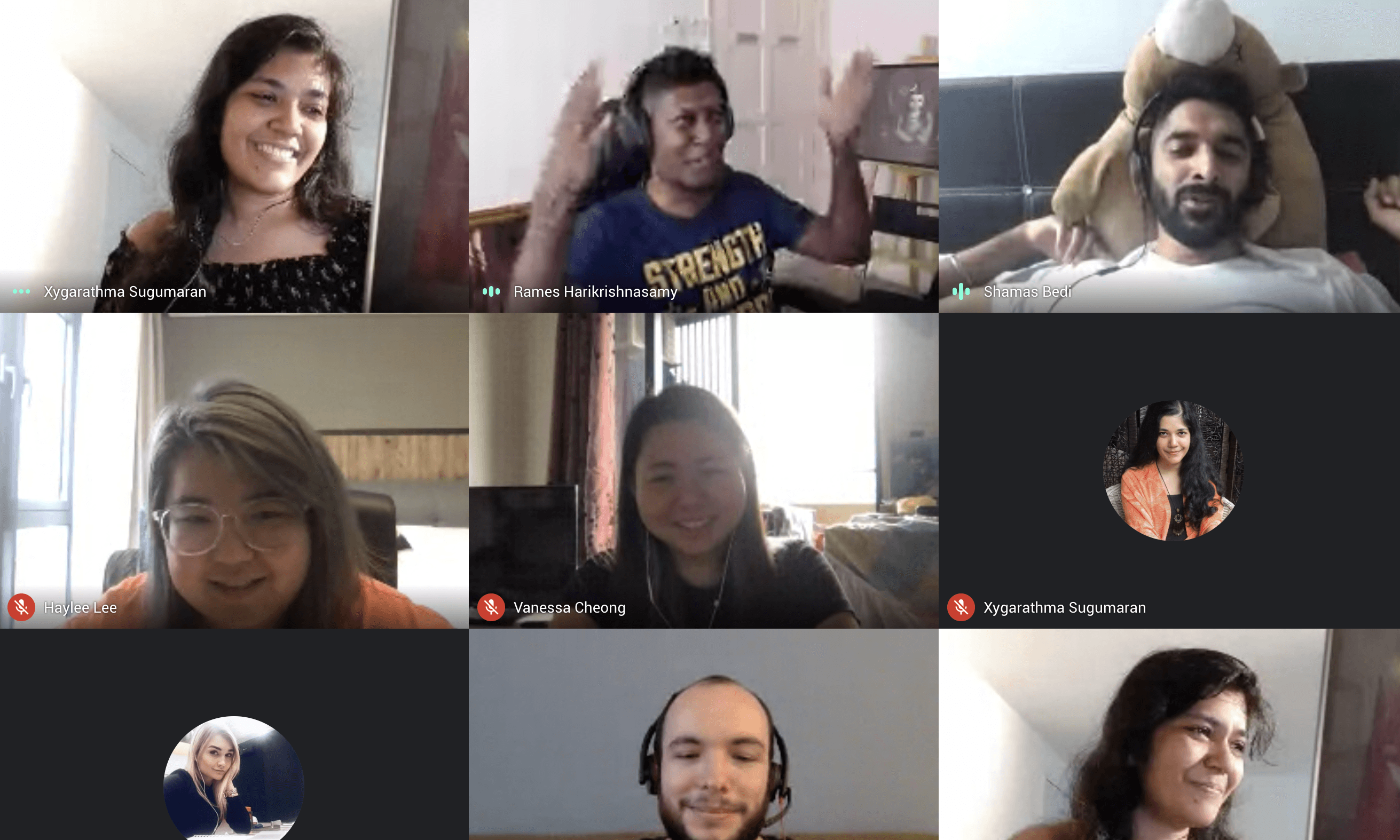
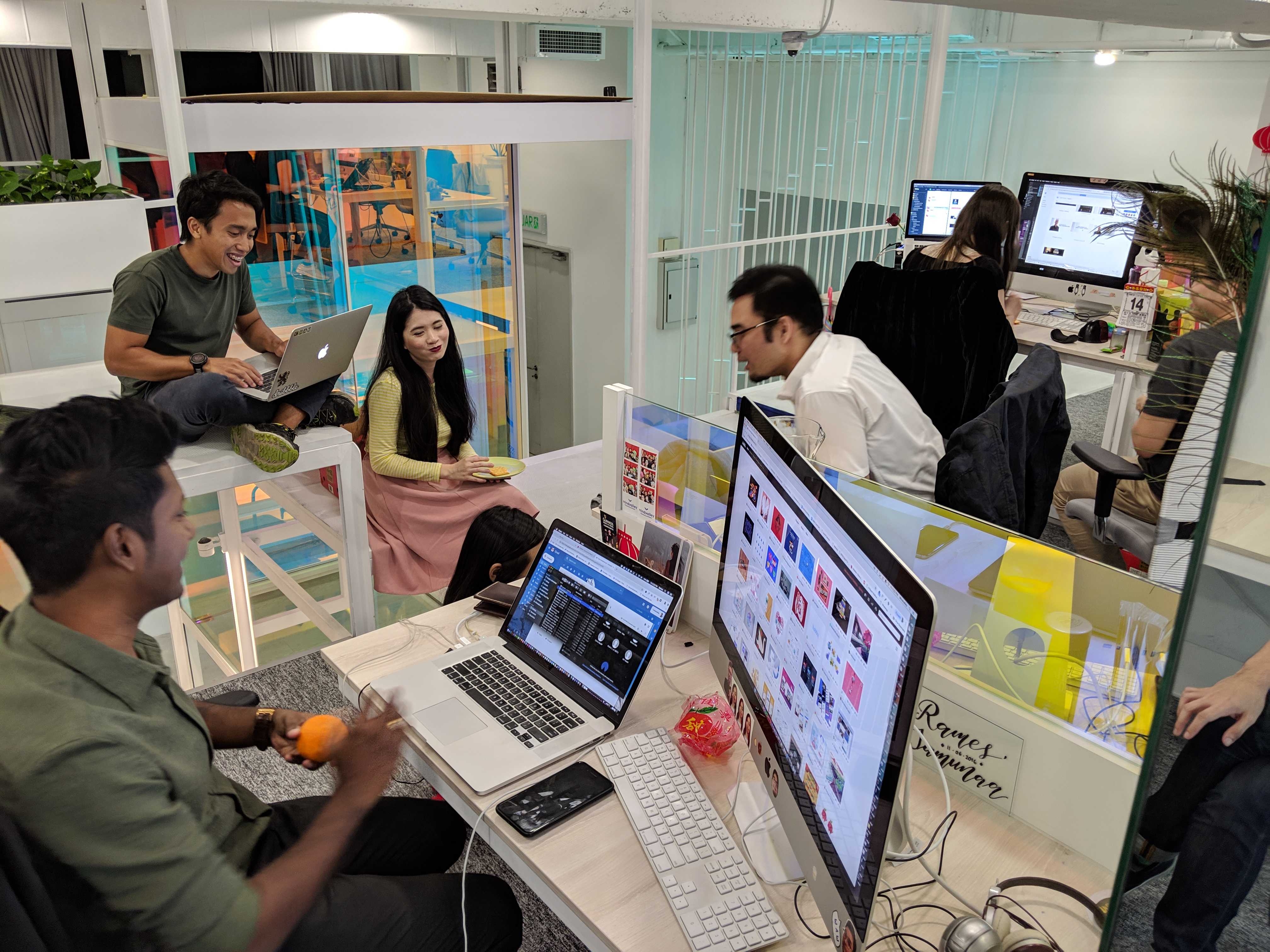



Team rituals that created space for connection, trust, and better collaboration
Growth
I made career development part of the daily work
I wanted development to be a visible part of how the team operated, not an annual conversation disconnected from the work people were doing. Together with my Head of Creative, we co-created a career-growth framework for graphic and product design. It clarified the expectations, behaviors, and capabilities associated with each level of progression.
1. Career Path
A clear path from junior designer to creative leadership
Junior Graphic Designer
B1
Builds foundations
Delivers with guidance
Leads projects independently
Sets creative direction
Leads teams and evolves standards
2. Competency Framework
Growth was measured across five dimensions
DIMENSIONS
WHAT IT COVERED
Craft & Execution
Visual craft, tools, typography, quality
Leadership
Art direction, coaching, project leadership
Problem Solving
Design thinking, critical thinking, scalability
Communication
Collaboration, stakeholder presentation, feedback
Ownership
Planning, adaptability, initiative, delivery
3. Proficiency Model
Expectations became more specific as designers progressed
Level 1
Awareness
Learns core technique with guidance
Level 2
Developing
Applies skills in routine work
Level 3
Independent
Delivers confidently without supervision
Level 4
Leading
Guides complex work and coaches others
Level 5
Expert
Sets direction and raises the standard

A shared framework for role expectations, competencies, proficiency levels, and development goals
The framework gave designers and managers a shared vocabulary for development. It made it easier to discuss where someone was strong, where they wanted to grow, and what experiences would help them get there. Regular one-to-ones complemented this structure by creating space for check-ins on workload, wellbeing, feedback, goals, and longer-term career direction.
This approach helped create a more deliberate growth culture. Designers could see a path forward, and development conversations could be grounded in observable behaviors and meaningful opportunities rather than vague assessments.
Enabling Scale
I helped the team shift from custom web builds to a shared platform
As Mindvalley’s web presence expanded, the team needed a more scalable way to create and maintain digital experiences. I helped lead the transition from a fragmented, developer-dependent publishing model to a shared Storyblok platform with reusable foundations for design, marketing, and engineering.
The value of the change was organizational, not technical for its own sake. Designers could work from a more consistent system, marketers could move more independently within agreed patterns, and engineering could spend less time rebuilding familiar page structures. The platform supported a CMS ecosystem of 10,000+ web pages while helping the organization create a more repeatable path from creative intent to live execution.
Storyblok was a catalyst for scale, but it was only one part of the broader transformation. The lasting contribution was the team’s ability to use shared systems, clearer ownership, and stronger collaboration to deliver work with more consistency.

A collaborative effort across design and technology to bring the platform forward